
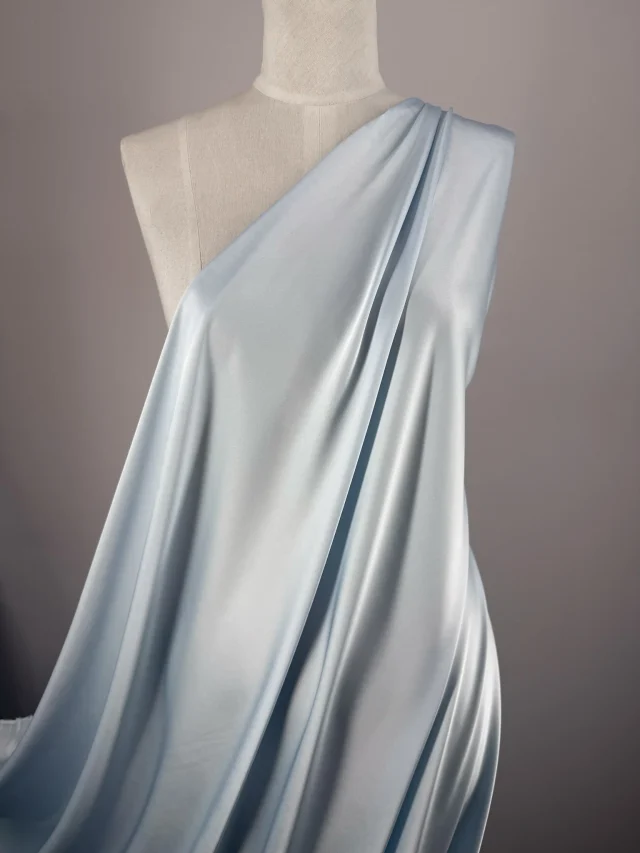
Dress manufacturer and wholesale dress supplier
We make dresses from rayon sundresses and jersey bodycons to lined satin gowns, sweater dresses and beaded evening wear, with 50 pieces a color as the minimum under Custom (Made to Order). Ready-made (Stock Match) is for dresses a Chinese factory already produces: you order 50 or more dresses in one style with your own label sewn in.
Get a quoteFabrics
Fabric for a Custom dress comes by the meter from stalls at the Zhongda market in Guangzhou and the Keqiao market near Hangzhou. When you don't know the fabric's name, we match the one in your photo. We sew your first sample in that same fabric.
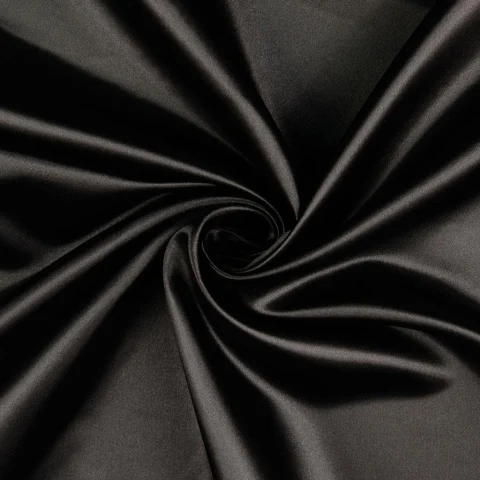
Polyester
Most of the chiffon, georgette and satin sold for dresses is polyester, the cheapest of the dress fabrics and one that barely shrinks in the wash. Polyester wears warmer than rayon or cotton on a hot day. Slip dresses you can't see through take satin of 120–170 gsm (grams per square meter). We go to 200 gsm or heavier for gowns that keep a stiff shape.
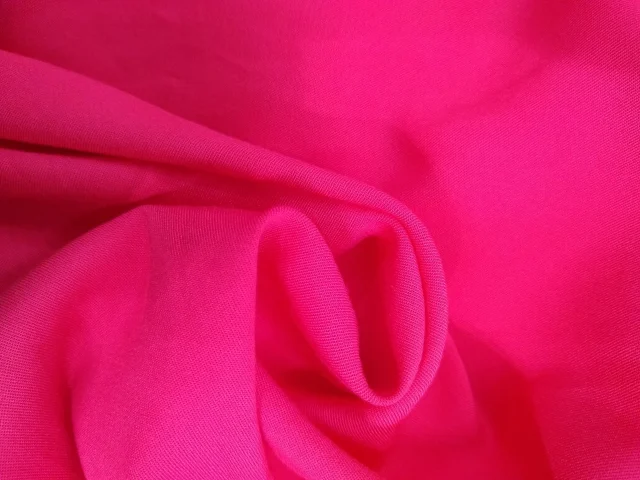
Rayon
Printed day dresses and summer maxis are usually rayon, most often a challis of 100–150 gsm that falls close to the body. The catch is shrinkage. Rayon can lose 3–10% in its first wash, and we give rayon dresses a care label that says hand wash cold. Polyester is the safer choice for a style your customers will machine-wash.
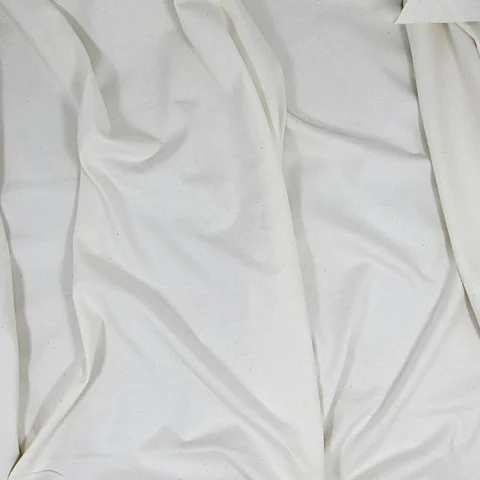
Cotton
We use cotton poplin of 120–250 gsm for shirt dresses and sundresses, 120–150 gsm jersey for T-shirt dresses and voile of 50–80 gsm for loose summer styles. Untreated cotton comes out of its first wash 3–5% smaller. Pre-shrunk cotton holds the size you graded through home washes.
Linen
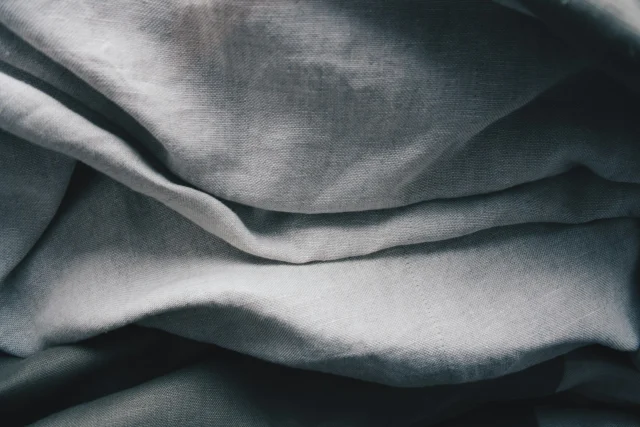
Pure linen costs about three times as much as a linen-rayon blend that looks much the same, though the blend creases just as fast once it's worn. Dress weights are 150–200 gsm. Pick a linen with a pre-shrink finish: untreated linen can shrink by up to 10%.
Silk
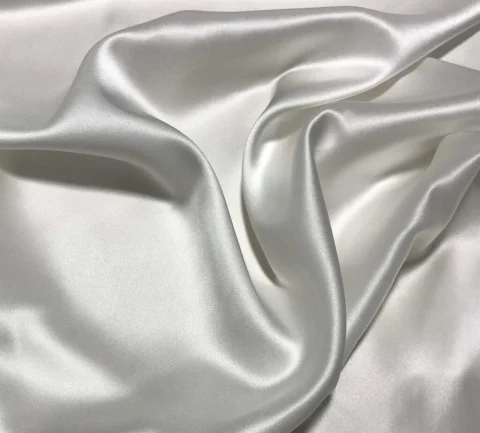
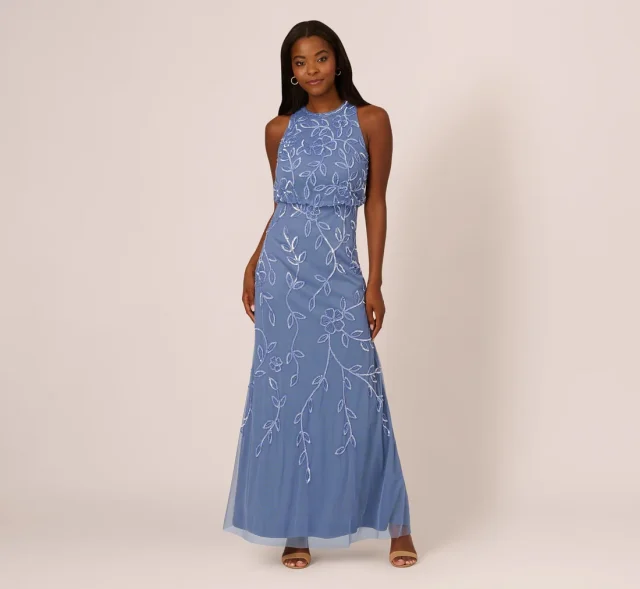
Silk goes into slip dresses and evening wear that retail high, usually as crepe de chine or silk satin of 70–80 gsm. Printed silk satin costs $16–25 a meter from Chinese printers, around ten times the price of printed polyester. Midi dresses take 1.6–3 m.
Spandex blends
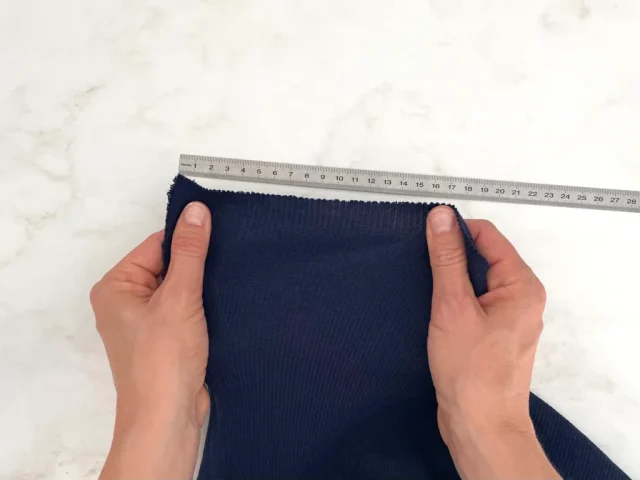
Two percent spandex gives a woven dress a little ease. Bodycon dresses need more than 10% spandex in a knit of 280 gsm or heavier. Printed wrap dresses are often polyester-spandex jersey, a knit that hardly creases.
Sweater knits
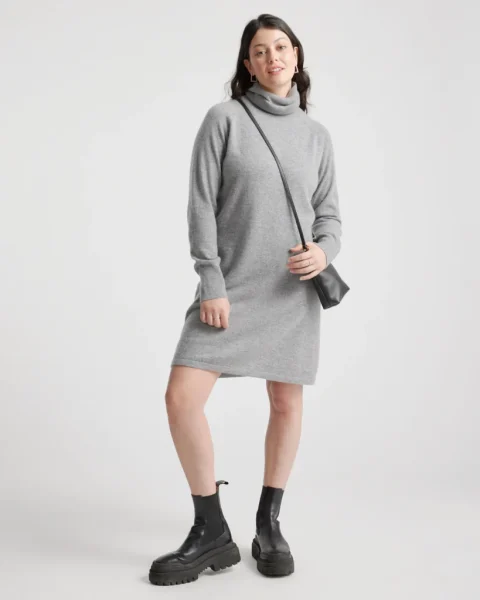
Sweater dresses are knitted to shape on computerized flat-knitting machines, panel by panel. You can choose a fine 12-gauge knit, a mid-weight 5- to 7-gauge or a chunky 3-gauge. Because spinners dye a custom yarn color only from 100–200 kg, enough for 100–300 sweaters, a first order of 50 dresses usually takes a color they already stock.
Denim
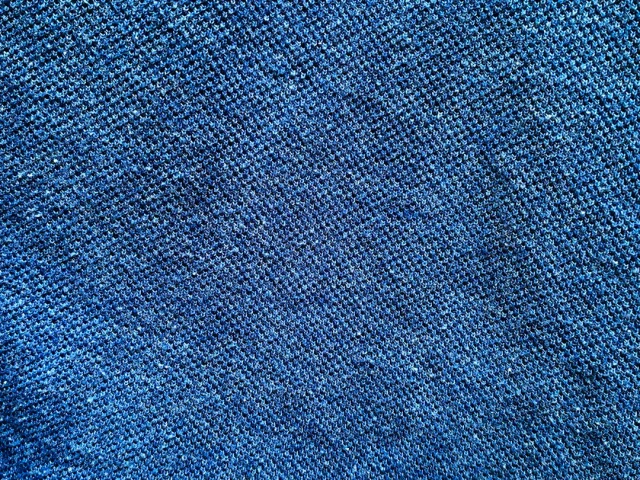
Denim shirt dresses use chambray of 135–150 gsm. Pinafores and button-front midis need a heavier denim of 170–250 gsm. A stone, acid or enzyme wash for a faded look adds 7–14 days to the schedule.
Occasion fabrics
Lace
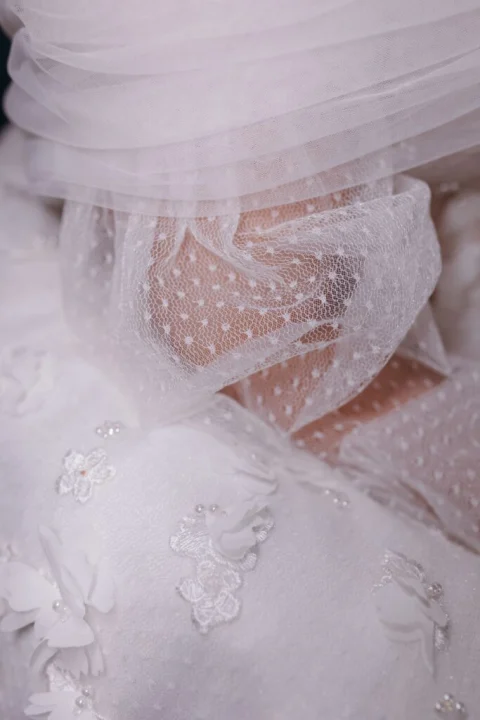
Most dress lace costs $2.50–6 a meter at Chinese mills. When the lace has a scalloped edge, we lay the pattern so the scallop finishes the hem and neckline, a placement that uses more lace than a plain layout.
Tulle
Soft nylon tulle of about 25 gsm costs $0.30–1 a meter, against about $8 for silk tulle. We build even a light tulle skirt from three layers over a lining.
Sequin fabric
Sequin fabric, stitched on a mesh or velvet base, costs $3.50–7 a meter. Expect more sewing cost than for a plain dress of the same shape: the sequins along every seam are cut away by hand before stitching. Sequin dresses are dry clean only.
Velvet
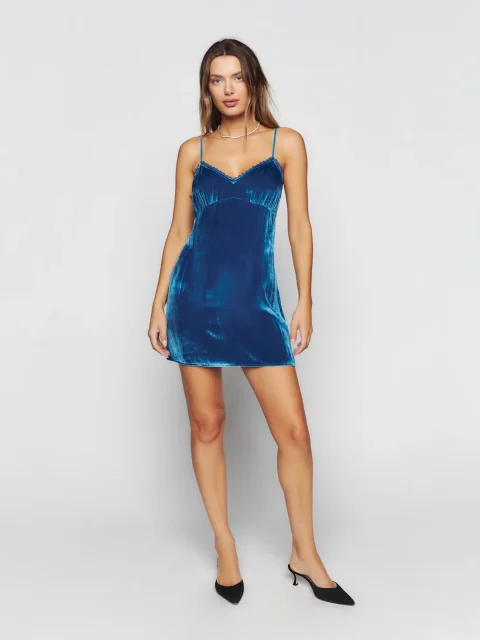
Stretch velvet for dresses is a polyester-spandex knit of around 250 gsm. Its pile changes shade with direction. We cut every piece facing the same way, a layout that needs more fabric than usual.
Prints
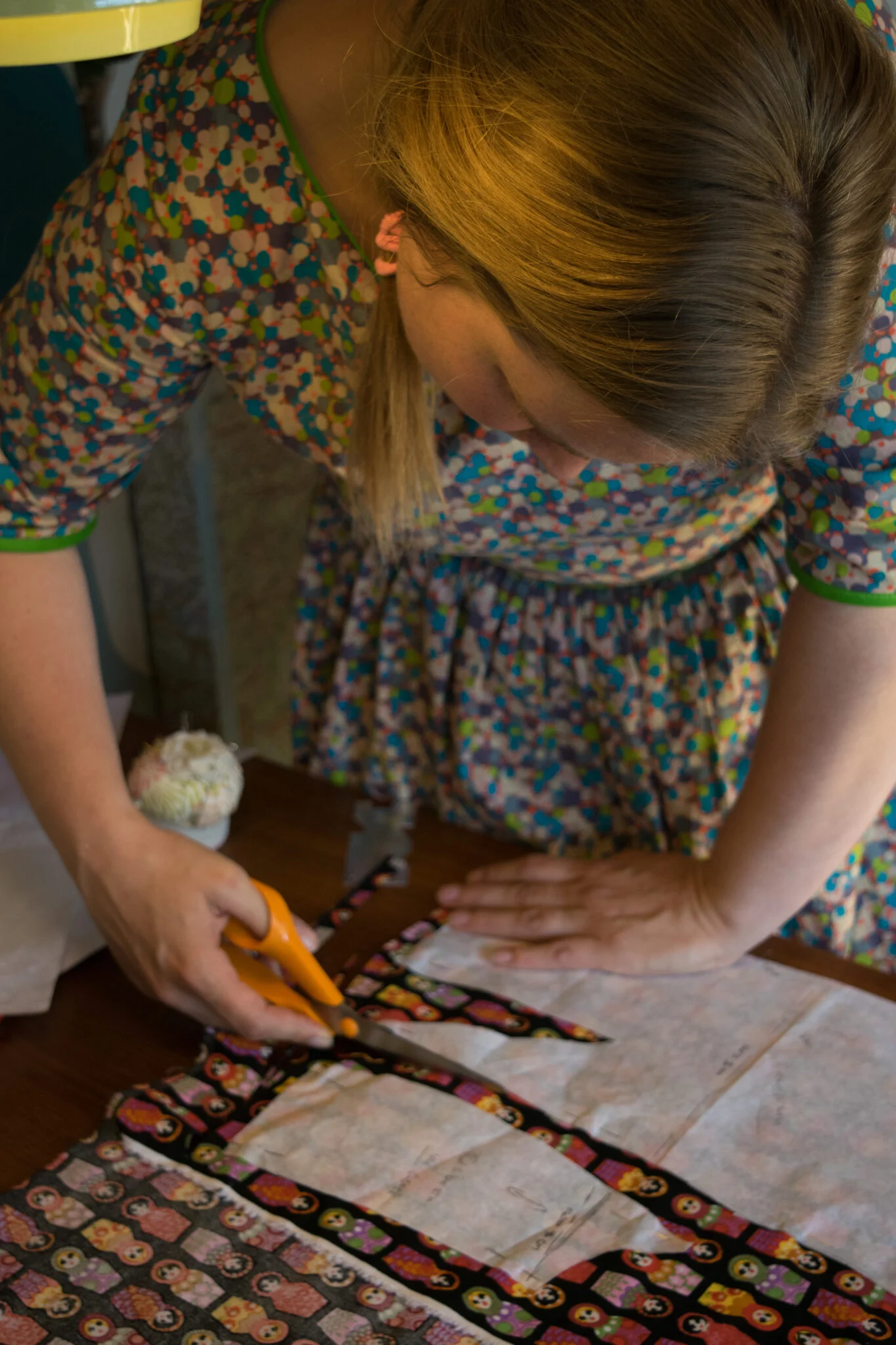
Prints already on the rolls at the Guangzhou and Keqiao stalls sell by the meter, like plain fabric. Other brands can buy them as well.
For a print no other brand sells, send us your artwork, which digital printers can put on rayon, cotton, silk or any fabric with 65% polyester or more. The printer charges $1–4 a meter for polyester, rayon or cotton, cloth included. Most digital printers take a design from 100 m or less, about what 50 midi dresses use. You approve the colors on a short printed test length before the full run. Printing adds 10–30 days to your order.
Rotary screen printing becomes an option only once a single design runs to 3,000–10,000 m.
Linings
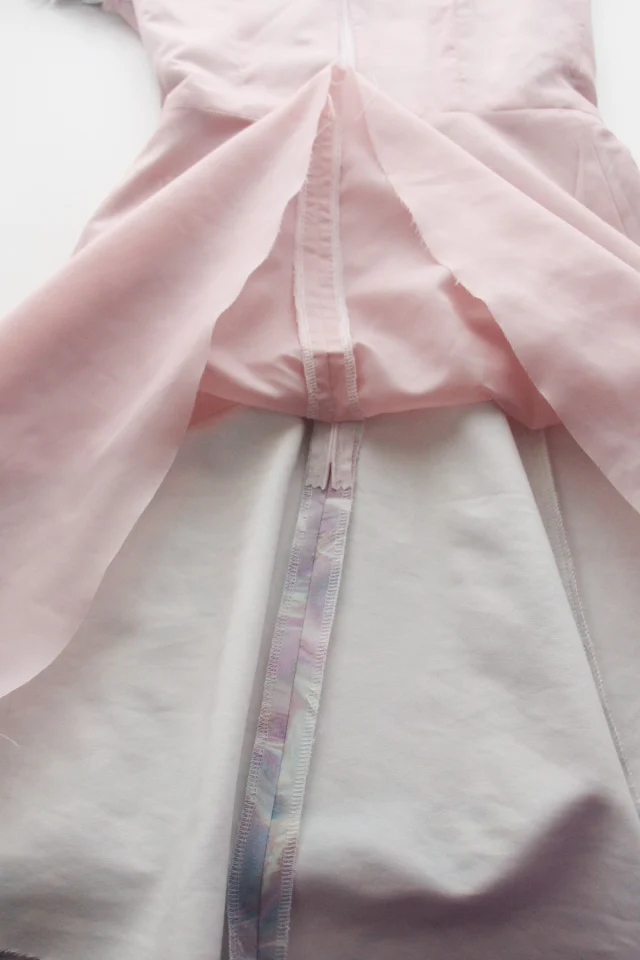
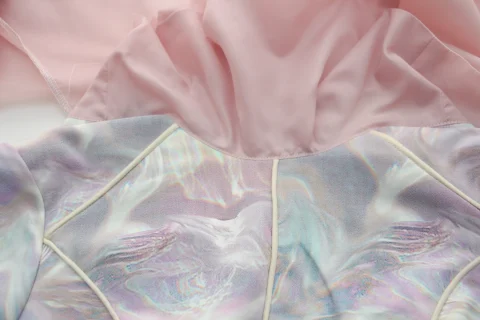
You can change the lining we suggest on your spec sheet at any point before we cut. Dresses in fabric that light passes through, from chiffon and georgette to voile, lace, tulle and pale rayon challis, get a lining from neckline to hem. So do sequin dresses, whose sequin threads would otherwise scratch bare skin. Close-fitting woven bodices keep their shape better with a full lining.
If the fabric is opaque, a lining in the bodice alone gives the top more body at a lower cost than a full one. Jersey dresses usually go unlined unless they're fitted, and then the lining has to stretch as far as the dress does.
| Lining | Best for |
|---|---|
| Polyester | The lowest-priced lining, for everyday washable dresses. |
| Cupro | Summer dresses that should breathe and not cling with static. |
| Acetate | Occasion dresses that will be dry cleaned. |
| Cotton voile | Cotton and linen dresses with no synthetic fiber in them. |
| Stretch tricot | Fitted jersey and other knit dresses. |
Fit and fastenings
We put six measurements for every size on your spec sheet: bust, waist, hip, length, sleeve and neck opening. Each dress you receive is no more than 1 cm off the spec at any of them, except the neck opening, where the limit is 0.5 cm.
If you sell 4XL or larger, order a size set: one dress in the smallest size you offer and one in the largest. You check their fit before we cut the order.
-
Invisible zip
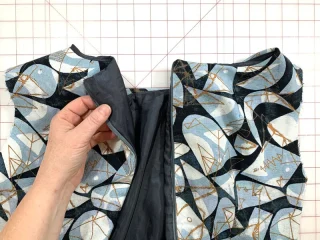
We set invisible zips into the center-back or side seam of fitted bodices, where only the pull shows. Each one costs 35 cents or less from Chinese suppliers.
-
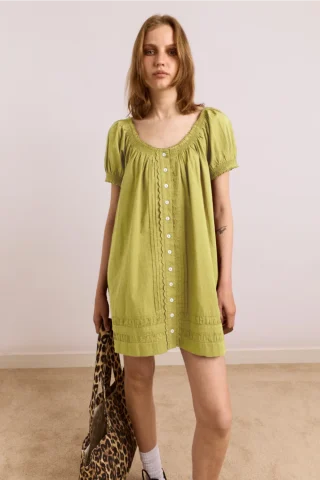
Front buttons
Shirt dresses and smocks often button all the way down, up to 20 buttons on a midi. Every buttonhole adds sewing time to your price.
-
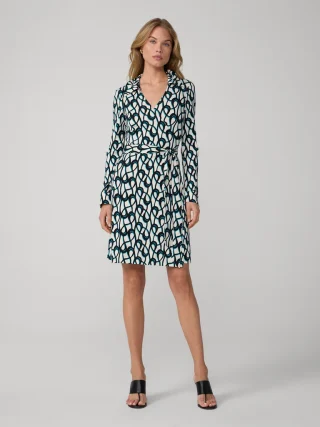
Wrap tie
Wrap dresses tie at the waist instead of zipping. The wearer ties them to fit, which lets one size cover more figures than a zipped style.
-
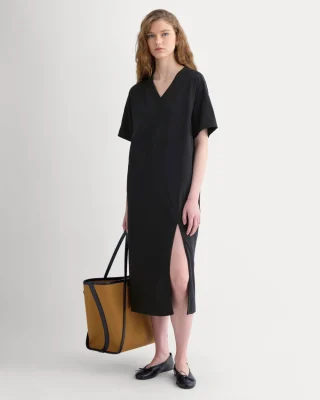
Pull-on
Jersey dresses pull on over the head. Woven ones can too, once we sew rows of elastic thread across the bodice. Shirring takes a bodice cut twice its finished width, in light cloth like rayon challis or voile that gathers well.
Custom (Made to Order)
Custom dresses in polyester, rayon, cotton or a linen blend are $15.00–29.00 per dress for 50–99 of a color and $9.50–18.00 for 300–500. Orders of 100–299 fall between the two. We price silk, pure linen and sweater dresses style by style on your quote.
A new style's development fee of $150–260 covers pattern making, the first sample and up to two revisions. Each revision after that costs $30–80 and adds 8–13 days. Size sets count as one more revision.
We price short, unlined polyester dresses at the bottom of these ranges. Prices rise with every meter a style needs: full-skirted maxis can use 4–5 m, and a full lining nearly doubles the meters in a dress, though lining fabric costs little. Bias cutting, with every piece laid diagonally across the weave, wastes more fabric than a straight layout.
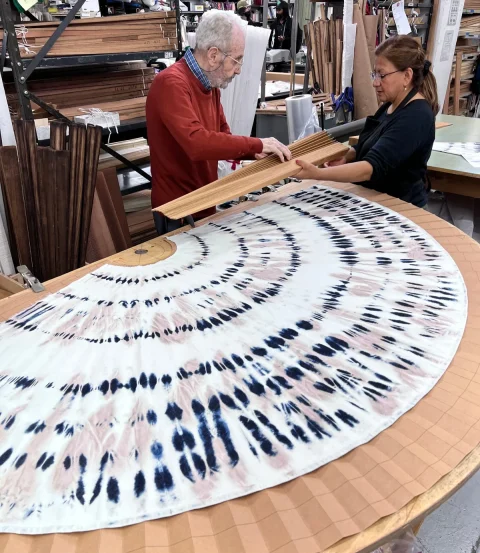
Ruffles in light fabric use 1.5–2.5 times the length of the seam they're gathered onto, a ratio a tiered skirt repeats at every tier. Pleated panels go to a specialist pleating shop, where knife and accordion pleats take two to three times the fabric of a flat panel. Heat-set pleats last through washing in polyester.
Allow 5–10 more days for machine embroidery. Our digitizer needs 1–3 of those days and charges $10–75 per design. Hand beading raises the price more than anything else on a dress, from 15–25% for light beading at the neckline or waist to 80–150% for a dress beaded all over. We set the beading time on your quote once we know how much of the dress is covered.
We take 7–12 days after the deposit to make your first sample, which reaches you 3–6 days later by express. After you approve it, we make the dresses in 15–20 days and ship them by air freight in 6–10. Delivery comes 31–48 days from your deposit if the first sample needs no changes. A color dyed for you adds 5–7 days. Reorders skip sampling and arrive in 21–30 days.

Ready-made (Stock Match)
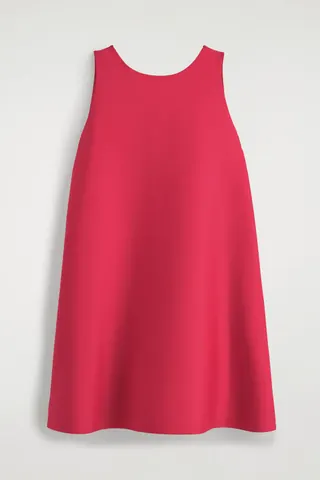
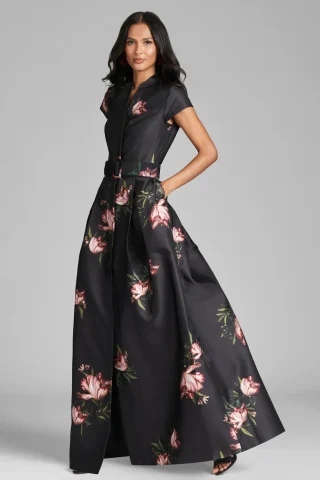
Ready-made dresses come exactly as a factory in China already makes them, in that factory's fabric, cut and print. Only the label changes. There's no pattern or sample to wait for. The minimum is 50 dresses per style, split across the style's colors and sizes in any mix. Our sourcing team sends photos and factory prices for the closest matches to your photo. Your label costs $0.35 a dress to sew in.
Silk, sequined, beaded or fully lined dresses make up the top of each price range. Most Ready-made styles cost under $20 at the factory, without a development fee.
We add a sourcing fee to the factory bills: 12% under $5,000, then 9% from $5,000, 7% from $20,000 and 5% from $50,000. You pay for the whole order up front. Delivery to your US address takes 11–18 days. We can send one dress ahead by express if you want to feel the fabric before ordering. The courier fee is $15–60 on top of the dress's price. We take the dress price off your order when you place it.
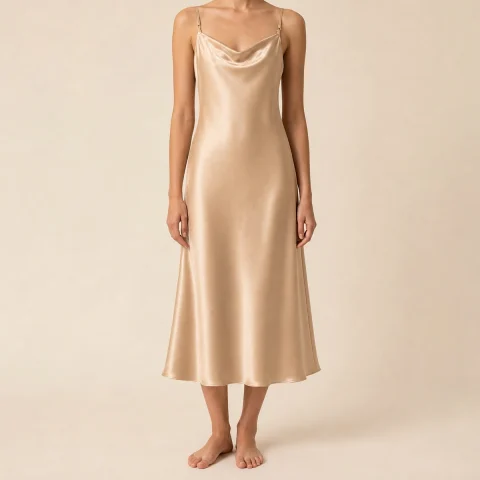
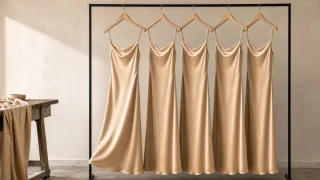 | Satin slip dresses | $6–38 |
|---|---|---|
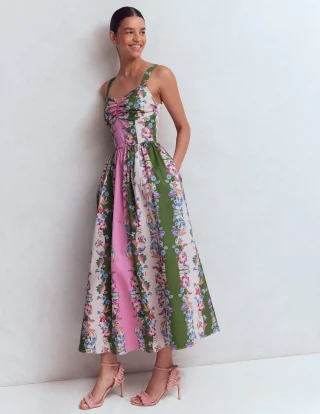 | Printed midi and maxi dresses | $5–68 |
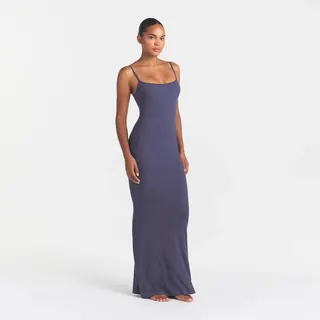 | Knit bodycon and T-shirt dresses | $6–24 |
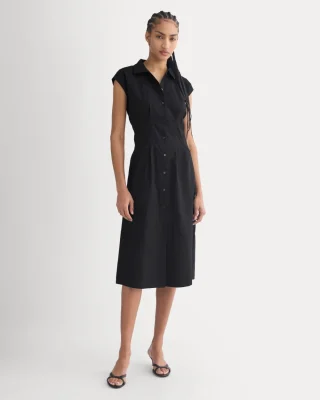 | Shirt dresses | $6–22 |
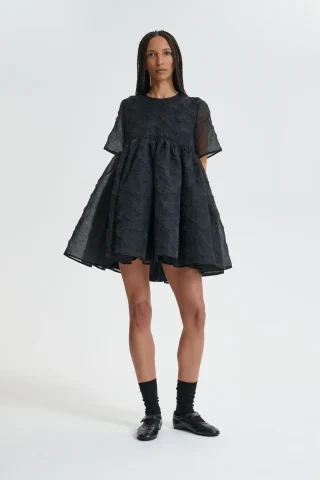 | Smocked sundresses and babydolls | $7–29 |
Shipping and duty
An order of 50 dresses weighs 10–30 kg packed, light enough to go by express courier and reach you 3–4 days sooner than by air freight.
| Route and weight | Days | Per kg |
|---|---|---|
| US express, under 21 kg | 3–6 | $12–18 |
| US express, 21–45 kg | 3–6 | $8–12 |
| US air freight, 45–100 kg | 6–10 | $7–10 |
| US air freight, over 100 kg | 6–10 | $6–8 |
| Express to Canada, the UK, the EU or Australia | 4–7 | $6–12 |
The EU and the UK charge 12% duty on dresses from China whatever the fiber, against 16–18% in Canada.
US duty depends on the fiber and on whether the dress is woven or knit. Every rate includes 20% in Section 301 tariffs on Chinese goods. For a blend, US customs uses the rate of the fiber that weighs the most: a jersey dress of 95% polyester and 5% spandex is charged as polyester. We bill duty at cost, on its own line of your invoice.
| Fiber | Woven | Knit |
|---|---|---|
| Polyester | 36% | 36% |
| Rayon (viscose) | 36% | 34.9% |
| Cotton | 28.4% | 31.5% |
| Linen | 26.9% | 25.6% |
| Silk | 26.9% | 20.9% |
Launch Kit images
Every order includes a free Launch Kit covering all its styles, which we make from pictures our inspector takes of your finished dresses: five product shots against a blank backdrop, a picture of the dress on an AI model and a 10-second video for phone screens. You can list the dresses with those images before the stock reaches you.
You choose the model from our library, down to body size and skin tone. Extra model pictures cost $9 each and are ready in 3 business days.
Dress quotes
Upload a photo of the dress and tell us the fabric if you know it. You'll hear back with a Custom price in 24 hours or less. If a factory already sews a similar dress, we add a Ready-made price for it.