
Jeans manufacturer with washes matched to your sample
We cut jeans to the leg shape in your photo and wash them anywhere from a dark rinse to a bleached, ripped vintage finish. Orders start at 50 pairs, either Custom (Made to Order) or Ready-made (Stock Match) from a factory that already sews the style.
Get a quote
Wash finishes
The wash that follows sewing sets the final color of a pair and shrinks it to its finished size. Your Custom sample goes through the wash you pick, and we start cutting the order when you approve the washed sample.
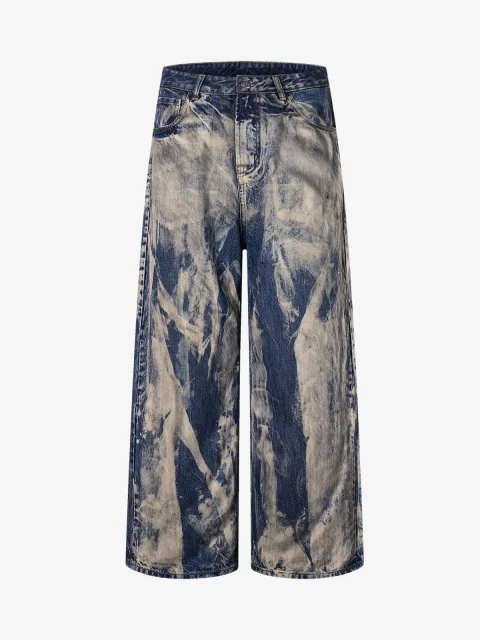
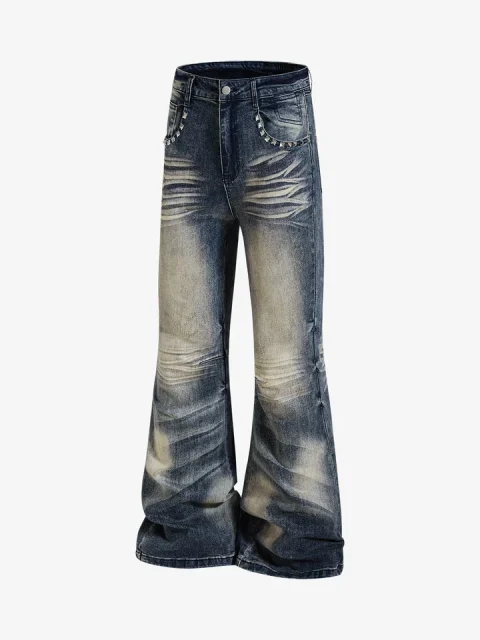
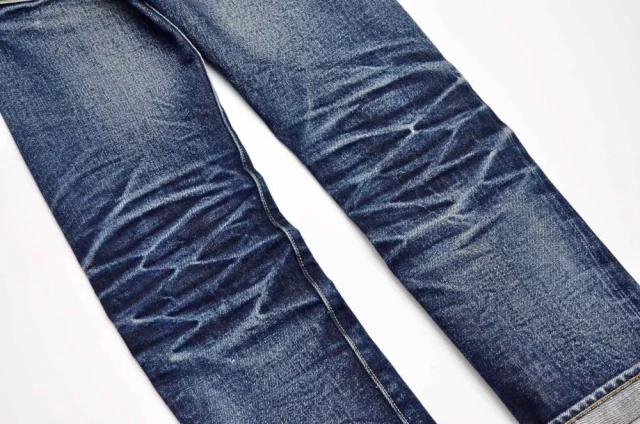
- Rinse. One short run through the machine softens the denim and leaves it dark and even.
- Stone and enzyme. Pumice wears the indigo down to a lighter, older-looking blue. Cellulase enzyme gets close to the same look with fewer stones, or none.
- Bleach. The whole pair lifts to a lighter blue in one even shade.
- Snow wash. Pumice soaked in potassium permanganate leaves white marbling over the pair.
- Tint. A light coat of dye over the other finishes leaves the pair looking older and a little dirty.
- Whiskers, sanding and rips. Whiskers show as faded crease lines across the tops of the thighs. The creases behind the knees are called honeycombs. Hand sanding wears patches pale, and rips can open the knees or fray pockets and hems.
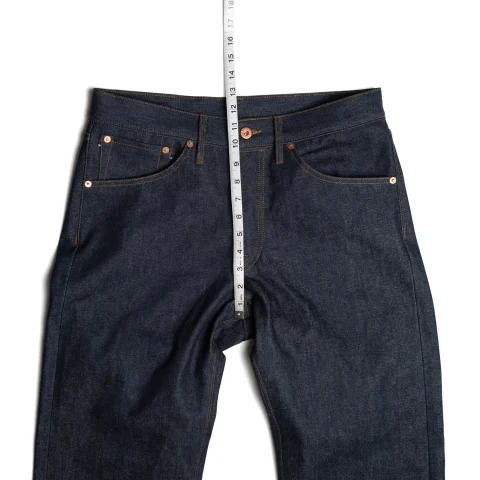
Machine loads of the same recipe can differ by a shade. Before packing, we compare every Custom pair with your approved sample for shade and measure it against your graded size chart. Waist, hip and inseam may differ from the chart by 1 cm at most, and rise and leg opening by 0.5 cm. We repair or remake any pair outside those limits.
For dark pairs, put “Wash inside out in cold water, separately the first time” on the care label. Your free Launch Kit comes from the inspection photos we take of every style: a 10-second video, five listing images and one campaign image.
Leg shapes
We draft the leg from your photo and write its leg opening, knee, thigh and rise, as measured after washing, into the spec sheet for every size. If you already sell a pair that fits well, send us its flat measurements and we draft from those.
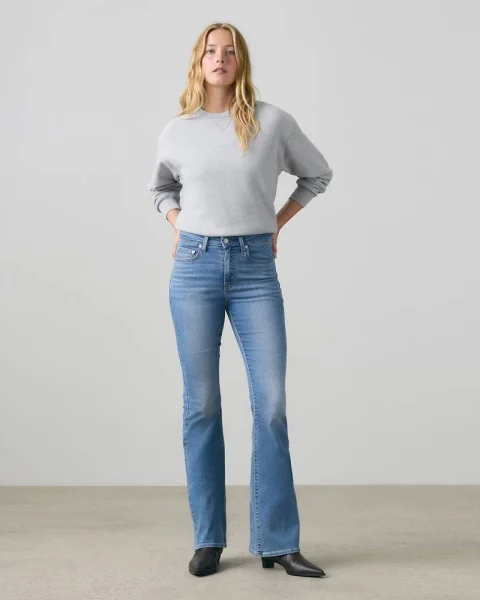
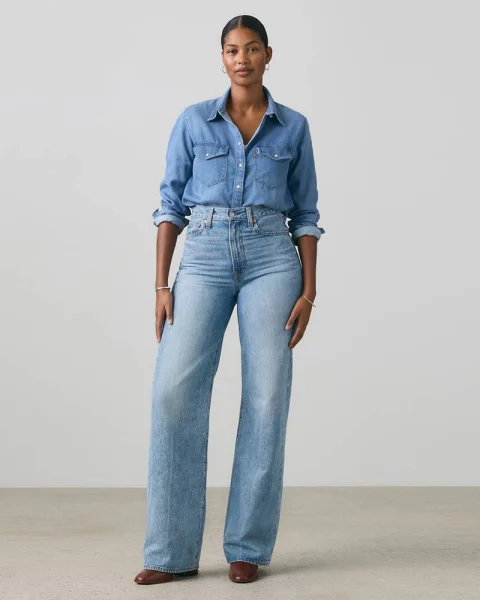
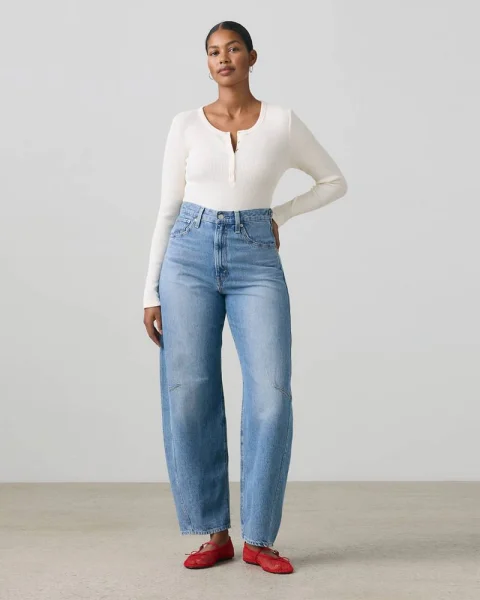
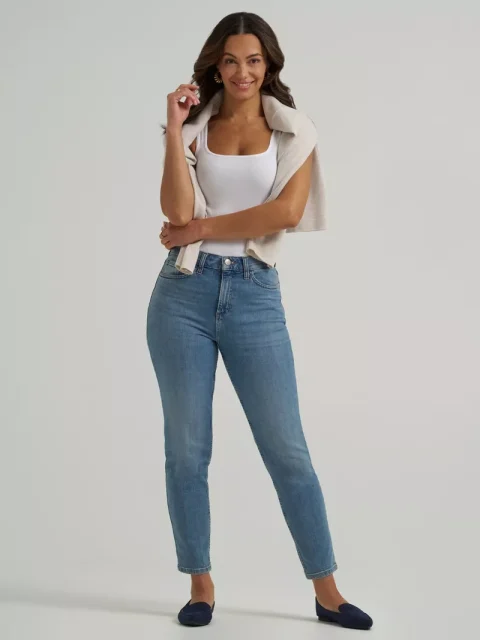
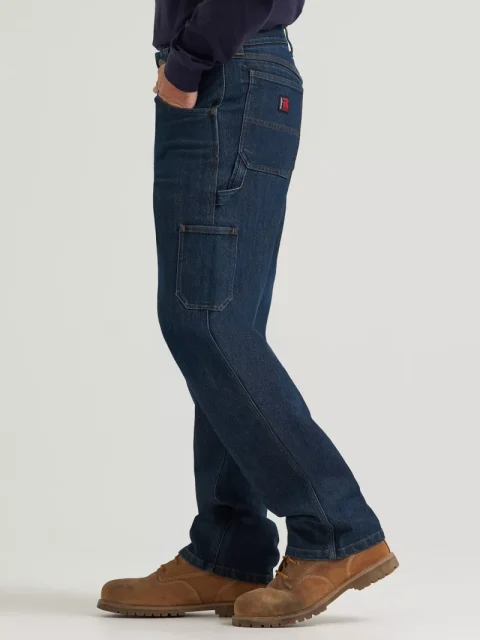
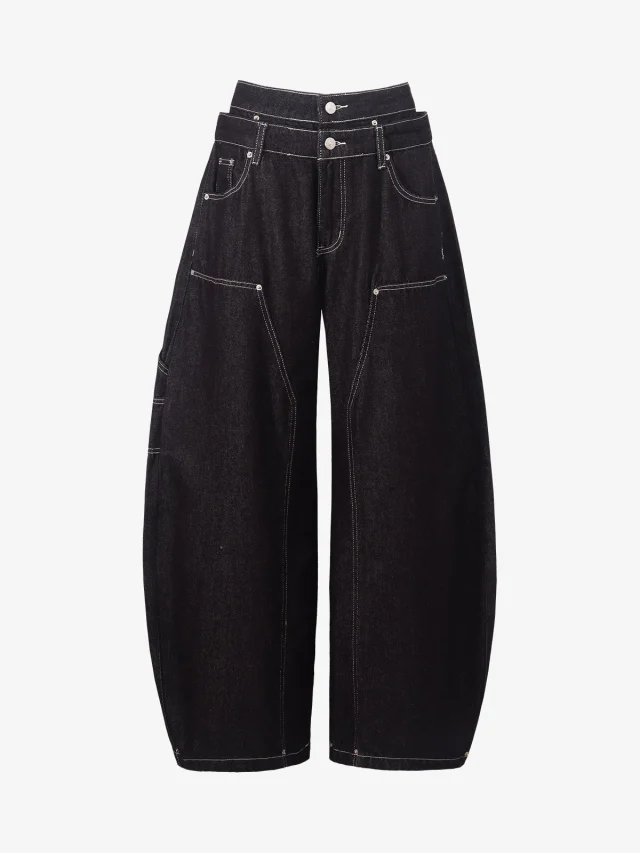
Ready-made jeans
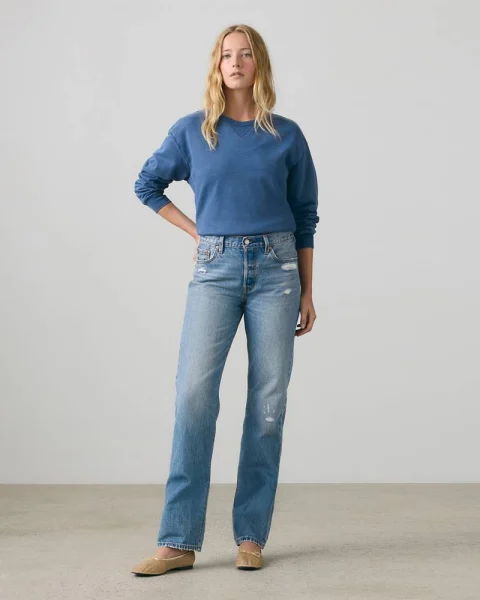
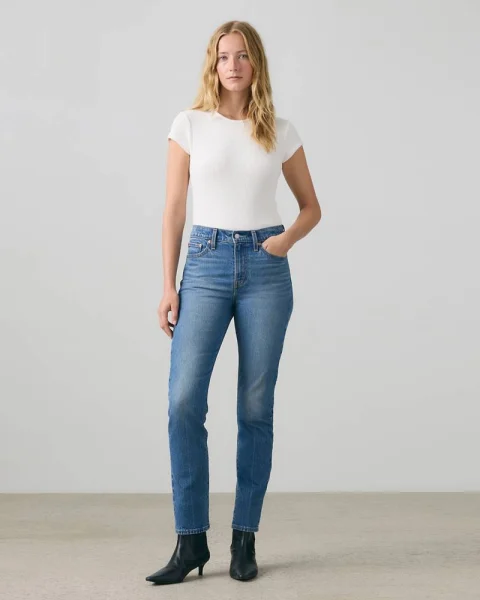
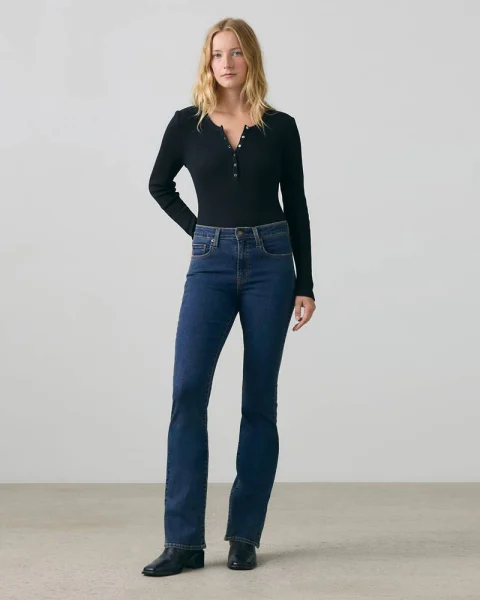
When the jeans you want are already in a factory’s range, Ready-made saves you the pattern and the sample. Our buyers search 1688 and the Guangzhou wholesale markets for the closest pair still in production. We point out on the quote where that pair departs from the photo you sent, such as a higher rise or a lighter wash.
You order 50 pairs or more and choose the mix of the factory’s washes and sizes. Fit, denim and wash stay as the factory makes them. We sew your label in for $0.35 a pair.
| Men’s straight or relaxed | $11–20 |
|---|---|
| Men’s baggy or wide-leg | $12–24 |
| Women’s mom, straight, wide-leg or flare | $9–20 |
We add a 12% sourcing fee to orders below $5,000. Once paid, Ready-made pairs are at your US address in 11–18 days. You can try one pair by express before the full order, for the factory’s price plus $15–60 in shipping. When you then place the full order, we take off what that pair cost.
Denim from the market
For a Custom order, we cut from denim the fabric markets in Guangzhou and Keqiao keep in stock. Mills weave denim to your own spec only from 1,000 m up.
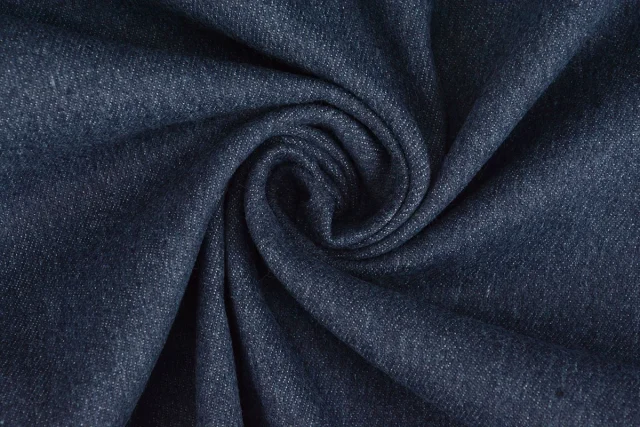
Weight. Light denim under 12 oz suits summer jeans. Midweight denim of 12–16 oz is the usual choice for everyday pairs. Anything heavier starts out stiff and takes longer to break in. To compare an ounce weight with a gsm figure, 1 oz per square yard equals 33.9 gsm.
Stretch. All-cotton rigid denim doesn’t stretch, but it softens and shapes to the body as it’s worn. Stretch denim usually has 1–3% elastane, and some blends add polyester. More elastane means more stretch and less bagging at the knees, though the fabric loses some strength.
Color. Indigo sits only on the outside of each yarn. Wear rubs it away, and the white core shows through as paler blue. Sulfur-dyed black denim fades to gray. Ask for stay-black denim if the black has to last. We price denim dyed to your own color separately.
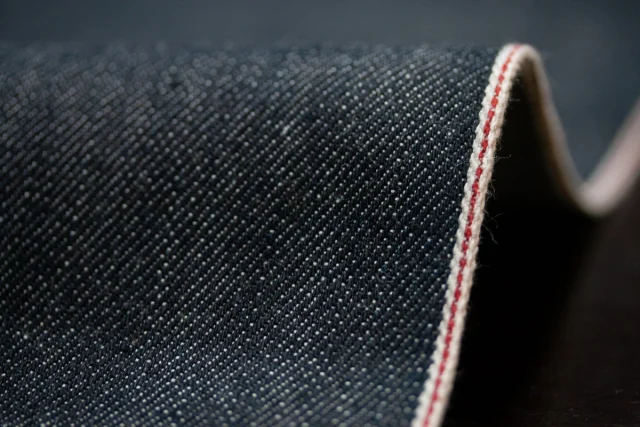
Yarn and selvedge. Ring-spun yarn costs more than open-end yarn and gives a softer hand and higher-contrast fades. Because shuttle looms weave selvedge only about 80 cm wide, a pair cut from it takes around 2.5 m of fabric. The same pair from standard denim, 150 cm wide or more, needs 1.6 m.
Hardware and back patches
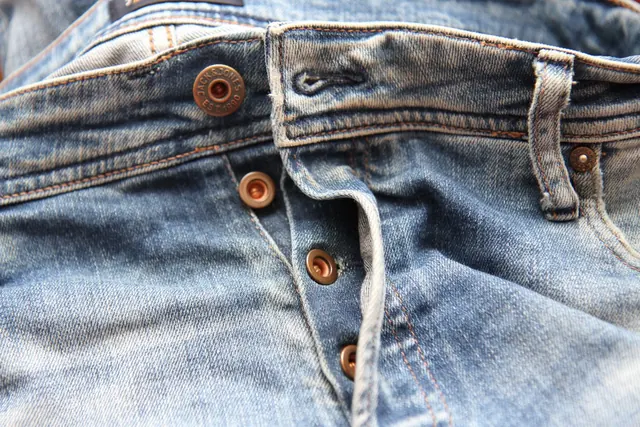
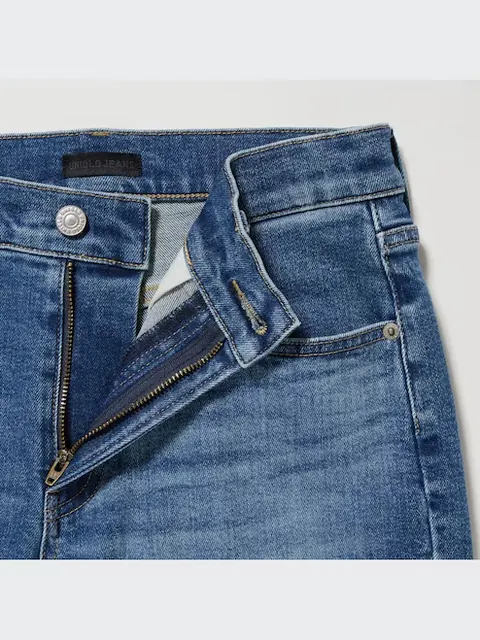
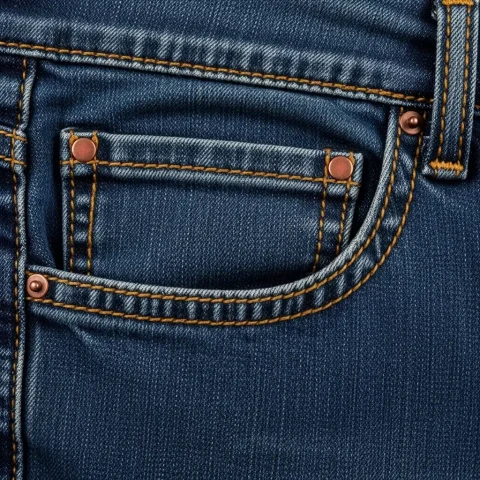
On a 50-pair run, the zip and the pocket rivets come from stock. The fly can close with a zip or with buttons, and your logo can go on the waistband button. Many button makers take logo orders from 100–500 pieces and charge $0.02–0.15 a button. We list their minimum, and any mold fee for a new logo, on your quote.
For the back patch, you can choose leather, PU or jacron, a washable paper. Patches with your logo pressed in start at 50–500 pieces, depending on the maker, and cost $1.00 or less each. Plain pocketing comes from stock. Pocketing printed with your own design needs a mill order of 1,800–3,000 m.
Custom jeans
Custom jeans cost $14.50–25.50 a pair for 50–99 pairs and $9.00–16.00 for 300–500. For 100–299 pairs, the price falls between those two ranges. Each new style has a $150–280 development fee. The fee buys the pattern work and the first sample, and we revise that sample twice at no charge. From the third revision on, each one costs $30–80 and takes 8–13 more days.
A plain rinsed pair in stock denim costs the least. Heavier or selvedge denim and ring-spun yarn push the price up, and so do a snow wash, hand-finished whiskers and rips, and a logo button.
Flown to the US, the order is at your door 31–48 days after your deposit lands, as long as you sign off the first sample unchanged. The wash adds 7–14 days. Restocks skip the sample and take 21–30 days, plus the wash.
US duty on cotton jeans from China comes to 36.6% of their value in October 2026: 16.6% general duty plus Section 301 duties of 7.5% and 12.5%. Stretch denim that is mostly cotton pays the same rate.
Your jeans quote
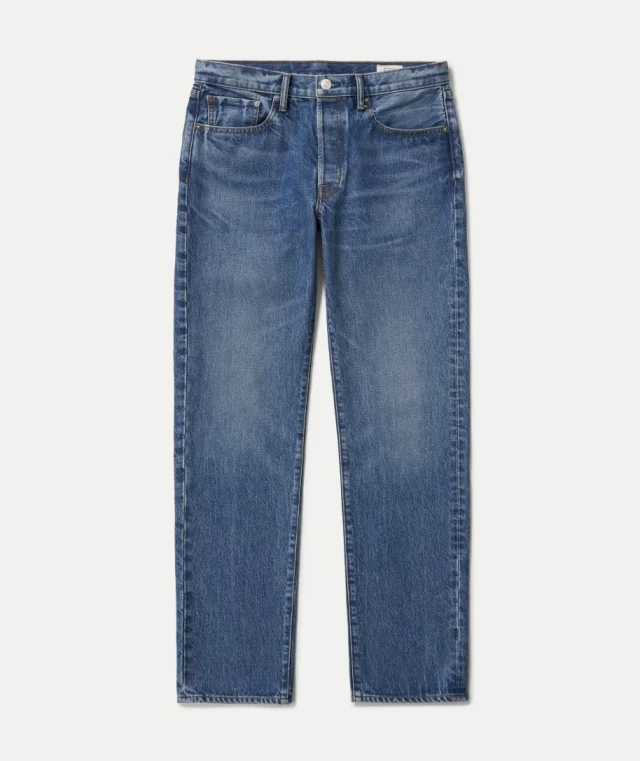
A photo of the jeans and a close-up of the wash are all we need to price them. Expect two prices back within 24 hours, one Ready-made and one Custom.